
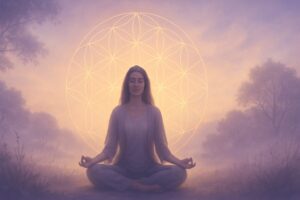
Understanding Spiritual Meditations
Spiritual meditation is a profound practice that invites us to cultivate a deeper relationship with our inner selves and the universe around us. By quieting the mind and turning our attention inward, we can connect with our inner wisdom, explore our emotions, and gain clarity on our life’s purpose. The beauty of spiritual meditation lies in its ability to be both a personal journey and a universal experience, transcending the boundaries of tradition and belief systems.
The Benefits of Spiritual Meditation
Engaging in spiritual meditations offers a myriad of benefits, enriching our lives in ways we may not initially recognize. Here are some key advantages:
- Emotional Healing: Spiritual meditation allows us to confront and release emotional pain, leading to greater emotional resilience.
- Enhanced Self-Awareness: Through consistent practice, we gain insights into our thoughts, beliefs, and behaviors, fostering a deeper understanding of ourselves.
- Stress Reduction: Meditation has been shown to lower stress levels, promoting relaxation and a sense of peace.
- Connection to the Universe: Many practitioners report feeling a sense of unity with the world around them, enhancing feelings of belonging and purpose.
- Spiritual Growth: Regular meditation can deepen your spiritual journey, opening doors to insights and experiences that enrich your life.
Different Types of Spiritual Meditations
There are various forms of spiritual meditation, each providing unique pathways to inner connection. Here are a few practices to consider incorporating into your routine:
1. Mindfulness Meditation
This practice emphasizes being present in the moment. By focusing on your breath and observing your thoughts without judgment, you can cultivate a sense of peace and clarity. Mindfulness helps us appreciate the beauty of the present, fostering gratitude and reducing anxiety.
2. Guided Visualization
Guided visualization involves imagining a peaceful scene or a desired outcome. This method can help you manifest your intentions and foster a deeper connection with your inner self. Visualizations can be simple, such as picturing a serene landscape, or more complex, involving journeys through your imagination.
3. Loving-Kindness Meditation (Metta)
This practice encourages compassion towards yourself and others. By repeating phrases of goodwill and love, you cultivate a heart-centered approach to life. Loving-kindness meditation can help dissolve resentment and foster a sense of connection with all beings.
4. Breathwork
Breathwork involves consciously changing your breathing patterns to influence your mental, emotional, and physical states. Techniques such as deep diaphragmatic breathing can help release tension and promote relaxation. Combining breathwork with meditation can elevate your experience, deepening your connection to the present moment.
5. Nature Meditation
Connecting with nature can be a powerful spiritual practice. Find a quiet spot outdoors, close your eyes, and attune your senses to the sounds, smells, and sensations around you. Nature meditation fosters a sense of interconnectedness and reminds us of our place within the larger web of life.
Creating a Sacred Space for Meditation
To deepen your meditation practice, consider creating a sacred space that reflects your spiritual intentions. Here are some tips for setting up a calming environment:
- Choose a Dedicated Area: Select a quiet corner in your home where you can meditate without distractions.
- Incorporate Natural Elements: Use plants, crystals, or natural materials to bring the energy of the earth into your space.
- Add Personal Touches: Include items that hold spiritual significance for you, such as sacred texts, candles, or photographs.
- Minimize Clutter: A clean, organized space can help create a peaceful atmosphere conducive to meditation.
- Set a Regular Time: Establishing a routine can signal to your mind and body that it’s time to enter your sacred space and meditate.
Practical Tips for Deepening Your Meditation Practice
As you embark on or continue your journey with spiritual meditation, consider the following tips to enhance your practice:
1. Start Small
If you’re new to meditation, begin with short sessions of 5 to 10 minutes. Gradually increase the duration as you become more comfortable with the practice. Consistency is key, and even a few minutes each day can lead to profound changes.
2. Be Patient with Yourself
It’s normal for the mind to wander during meditation. When this happens, gently guide your focus back to your breath or the object of your meditation. Patience with yourself is essential; meditation is a skill that develops over time.
3. Use Guided Meditations
Consider utilizing guided meditation resources available online or through apps. These can provide structure and support, making it easier to stay focused and engaged in your practice.
4. Keep a Meditation Journal
After each session, take a few moments to jot down your thoughts, feelings, or any insights you gained during meditation. This practice can deepen your self-reflection and help track your spiritual growth.
5. Join a Meditation Group
Connecting with others who share your interest in meditation can provide encouragement and community. Look for local or online groups that resonate with your spiritual journey.
Embracing Your Spiritual Journey
Spiritual meditation is a deeply personal practice that can lead to transformative experiences. As you explore different techniques and deepen your inner connection, remember that each meditation session is an opportunity for self-discovery and growth. Embrace the journey and allow yourself to unfold organically, trusting your unique path.
Reflective Practice: Your Spiritual Meditation Journey
As you navigate your spiritual meditation practice, take a moment to reflect on your experiences. What insights have you gained? How has your connection to your inner self evolved? Consider keeping these questions in mind as you continue on your journey, allowing them to guide your meditation practice and spiritual growth.


