
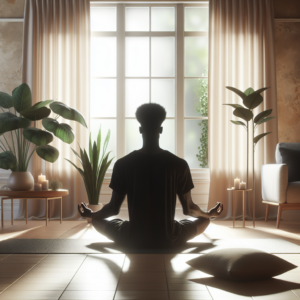
Quick answer: mind body spirit balance means your thoughts, physical habits, emotions, values, and spiritual practices are moving in the same direction. You align yourself by caring for the mind with attention, the body with grounded habits, and the spirit with meaning, prayer, meditation, gratitude, or values-based action.
This guide gives you 10 practical ways to align your mind, body, and spirit without turning balance into another pressure-filled project. The goal is not to become perfectly calm every day. The goal is to build a repeatable rhythm that helps you return to clarity when life feels scattered.
Mind Body Spirit Balance at a Glance
| Area | What it needs | Simple alignment practice |
|---|---|---|
| Mind | Clarity, attention, honest reflection | Journal for 5 minutes or name the thought pattern you keep repeating |
| Body | Rest, movement, nourishment, safety | Walk, stretch, hydrate, breathe slowly, or protect your sleep window |
| Spirit | Meaning, connection, trust, purpose | Pray, meditate, practice gratitude, serve someone, or reconnect with values |
| Emotions | Room to be felt without taking over | Pause before reacting and ask what the feeling is trying to protect |
| Relationships | Boundaries and real connection | Have one honest conversation or step back from one draining pattern |
1. Begin With a Three-Part Check-In
Before you fix anything, ask three questions: What is my mind repeating? What is my body telling me? What does my spirit need to remember? This short check-in turns vague stress into useful information.
Write one sentence for each answer. If your mind says “I am behind,” your body says “I am exhausted,” and your spirit says “I need trust,” your next step becomes clearer: less forcing, more restoration, and one practical priority.
2. Use Mindfulness to Quiet Mental Noise
Mindfulness helps you notice thoughts without obeying every thought. The National Center for Complementary and Integrative Health describes meditation and mindfulness practices as ways people train attention and awareness, though they should not replace medical care when care is needed.
Try this: breathe in for four counts, exhale for six counts, and silently say, “I can notice this without becoming it.” Do it for two minutes. Balance often begins when the mind stops driving at emergency speed.
3. Move Your Body Before You Overthink the Sign
The body is not separate from spiritual life. When you are sleep-deprived, tense, hungry, or inactive, your spiritual interpretation can become anxious and distorted. Gentle movement helps the nervous system discharge pressure.
The CDC adult physical activity guidance recommends regular movement and muscle-strengthening activity for health. For spiritual balance, keep it simple: a walk, stretching, dancing in your room, or a slow mobility routine can bring you back into your body.
4. Create a Morning Alignment Ritual
A morning ritual does not need candles, incense, or an hour of silence. It can be three minutes: one breath, one intention, one action. The point is to choose your direction before the day chooses it for you.
- Mind: “What is the most important thing to focus on today?”
- Body: “What basic need should I respect today?”
- Spirit: “What quality do I want to embody today: patience, courage, honesty, love?”
5. Clean Up One Energy Leak
Mind body spirit balance is often lost through small daily leaks: scrolling when you need rest, saying yes when you mean no, eating while anxious, holding resentment, or avoiding a hard conversation. Pick one leak and reduce it by 10 percent.
If technology is the leak, the guide on digital detox and reconnecting with your inner self pairs well with this practice.
6. Align Your Physical Space With Your Inner Goal
Your space quietly trains your attention. A cluttered bedside table, chaotic desk, or phone beside the pillow can keep the mind in reaction mode. Choose one small area and make it support the person you are becoming.
This is not about aesthetic perfection. It is about spiritual friction. Remove one object that drains you, add one object that grounds you, and make the next right action easier to take.
7. Practice Embodied Prayer or Meditation
Many people pray or meditate only in the head. Embodied practice brings the whole self into the moment. Place a hand on your chest, relax your jaw, breathe slowly, and speak or listen from the body as well as the mind.
If you are exploring different stages of spiritual growth, the guide to the 7 levels of spirituality can help you place this practice inside a broader path.
8. Use Food, Sleep, and Breath as Spiritual Foundations
It is tempting to chase a dramatic spiritual breakthrough while ignoring food, sleep, and breath. But the basics are not beneath you. They are the floor that makes deeper work safer and clearer.
- Eat in a way that supports steady energy.
- Protect a realistic sleep routine.
- Use slow exhales when your nervous system feels overloaded.
- Get qualified support for ongoing pain, panic, depression, or physical symptoms.
9. Reconnect With Purpose Through One Useful Action
Purpose becomes clearer through action. If your spirit feels disconnected, do one useful thing: help someone, finish a small promise, clean something neglected, pray for someone, or take one step toward a meaningful goal.
For a related whole-self perspective, read what it means to be physically, mentally, and spiritually aligned.
10. Build a Weekly Reset Instead of Waiting for Burnout
Once a week, review your mind, body, and spirit together. What gave you energy? What drained you? What did your body keep asking for? What spiritual practice actually helped? What needs to change next week?
A weekly reset prevents balance from becoming a vague wish. It turns alignment into a rhythm you can return to even after stressful days.
When Balance Feels Like Spiritual Awakening Symptoms
Sometimes people describe intense fatigue, sensitivity, sleep changes, emotional release, or body sensations as part of spiritual awakening. Treat those experiences with respect, but stay grounded. Physical or mental-health symptoms deserve practical care, not only symbolic interpretation.
If this is the season you are in, read spiritual awakening physical symptoms with a physical-first mindset. Spiritual meaning should support wise care, not replace it.
Frequently Asked Questions
What does mind body spirit balance mean?
Mind body spirit balance means your thoughts, physical habits, emotions, values, and spiritual practices support the same direction. It is a lived rhythm, not a perfect state.
How do I align my mind, body, and spirit daily?
Choose one practice for each area: mindful breathing or journaling for the mind, movement or rest for the body, and prayer, meditation, gratitude, or values-based action for the spirit.
What are signs that my mind, body, and spirit are out of balance?
Signs can include mental fog, emotional reactivity, fatigue, poor sleep, disconnection from purpose, and habits that do not match your values. Persistent or severe symptoms deserve qualified support.
Can meditation help mind body spirit balance?
Meditation can help by training attention and creating space between stress and reaction. It works best alongside grounded habits such as rest, movement, nourishment, connection, and practical action.
How long does it take to feel balanced again?
You may feel calmer after one practice, but durable balance usually comes from small habits repeated over days and weeks. Start with a routine you can keep.


